Brake Balance Tuning: Stopping Power and Stability
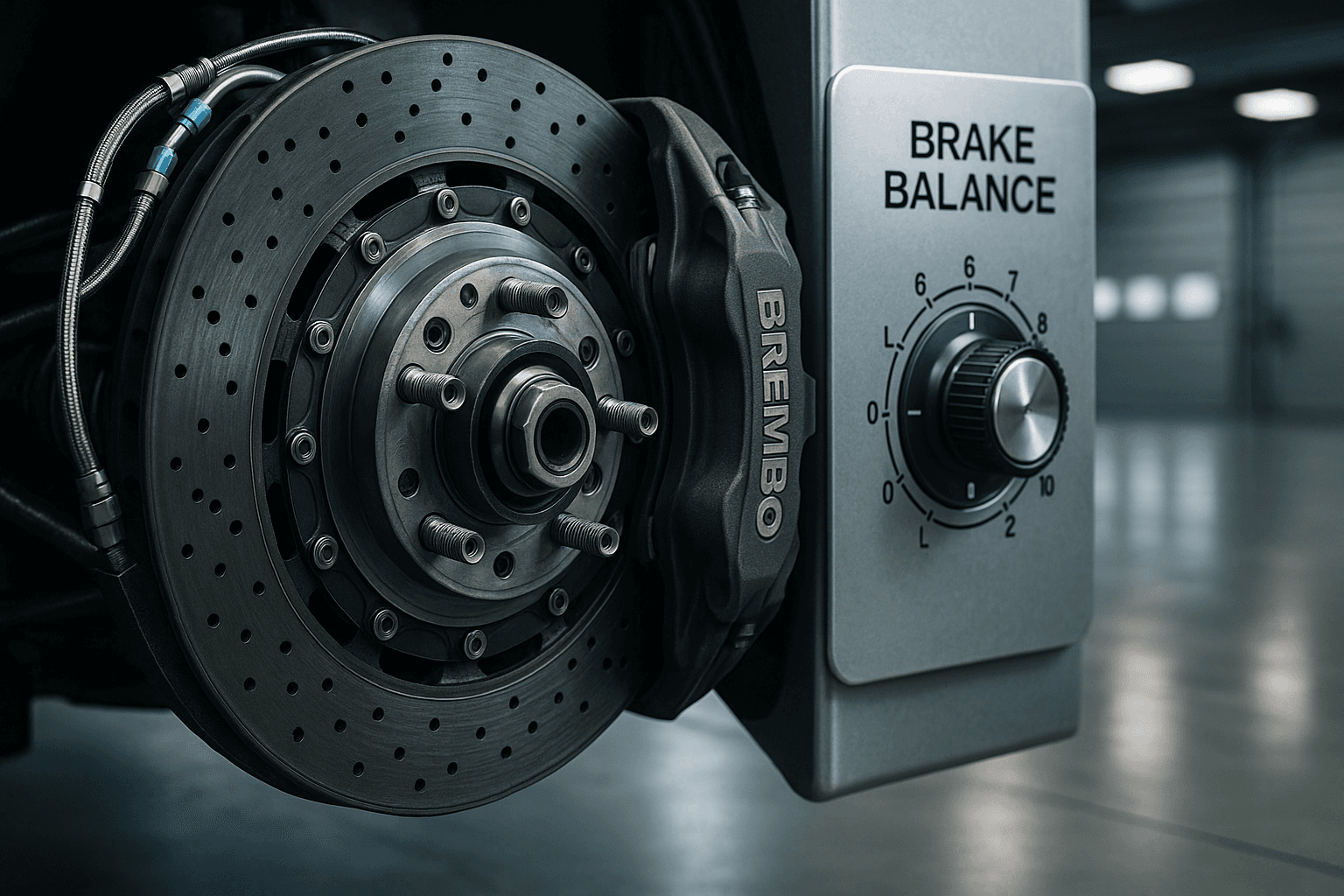
Mastering Brake Balance Tuning for Australian Racing
Brake balance is the unsung hero of racing setups, especially on Australia's demanding tracks. Whether you're tackling the high-speed straights of Bathurst or the technical corners of Albert Park, getting your brake balance right is crucial for stopping power, stability, and driver confidence. This guide dives into practical brake balance tuning, tailored for Australian racing conditions.
What is Brake Balance (and Why Does It Matter)?
Brake balance refers to the distribution of braking force between the front and rear axles. It’s adjusted via a brake bias valve or electronic system, typically measured as a percentage (e.g., 60/40 front/rear). The goal is to optimize weight transfer during braking, ensuring maximum grip without lock-ups or instability.
- Front Bias: More force at the front improves stability under heavy braking but risks front tire lock-up.
- Rear Bias: More force at the rear reduces front-end dive but can cause rear wheel lock-up or instability.
Factors Influencing Brake Balance on Australian Tracks
- Track Conditions: Wet or slippery surfaces (e.g., post-rain at Sydney Motorsport Park) require more rear bias to prevent front lock-up.
- Car Setup: Stiffer front suspension or higher front downforce may need more rear bias to balance grip.
- Braking Style: Late-braking drivers (common at Phillip Island) benefit from more rear bias to maintain stability.
- Tire Grip: Softer front tires may require more rear bias to match grip levels.
Step-by-Step Brake Balance Tuning
1. Start with a Baseline Setup
Begin with a neutral brake balance, typically 55/45 front/rear for most racing cars. This provides a balanced starting point for adjustments.
2. Monitor Key Indicators
During test laps, watch for:
- Front Lock-Up: If the front tires lock under braking (e.g., into Turn 1 at Bathurst), add
1-2%rear bias (e.g., move from55/45to54/46). - Rear Instability: If the rear feels loose or locks up (e.g., under braking at Albert Park), add
1-2%front bias (e.g., move from55/45to56/44). - Braking Distance: Longer stopping distances may indicate improper balance—adjust to optimize weight transfer.
3. Fine-Tune Based on Track Conditions
- Wet Tracks (e.g., post-rain at The Bend): Increase rear bias by
2-3%to prevent front lock-up (e.g.,53/47). - High-Speed Tracks (Bathurst): Maintain more front bias for stability under heavy braking (e.g.,
57/43).
4. Correlate with Other Setup Changes
Brake balance should work in harmony with other setup adjustments:
- Suspension Stiffness: Stiffer front suspension may require more rear bias to balance grip.
- Aero Setup: Increased front downforce may necessitate more rear bias to prevent overloading the front tires.
Real-World Examples from Australian Tracks
Example 1: Bathurst 1000
Issue: Front tires locking up under heavy braking into The Chase.
Solution: Adjusted brake balance from 55/45 to 53/47, reducing front lock-ups and improving lap times by 0.5 seconds.
Example 2: Albert Park
Issue: Rear instability under braking into Turn 1.
Solution: Increased front bias from 54/46 to 56/44, improving rear stability and reducing lap times by 0.3 seconds.
Common Mistakes to Avoid
- Over-Adjusting: Small changes (
1-2%) have a significant impact—avoid large adjustments. - Ignoring Tire Temperatures: Brake balance affects tire temps—monitor for overheating or uneven wear.
- Neglecting Track Conditions: Failing to adjust for wet or slippery surfaces can lead to accidents.
Pro Tips for Australian Racers
- Use Data Loggers: Monitor brake pressure, temperatures, and g-forces for precise adjustments.
- Test Incrementally: Change brake balance in
1%increments and evaluate after each adjustment. - Communicate with the Driver: Driver feedback is crucial for understanding braking feel and stability.
Actionable Takeaways
- Start Neutral: Begin with a
55/45brake balance and adjust based on track and conditions. - Monitor Lock-Ups: Front lock-ups? Add rear bias. Rear instability? Add front bias.
- Adjust for Wet Tracks: Increase rear bias by
2-3%in wet conditions. - Correlate with Setup: Ensure brake balance complements suspension and aero adjustments.
Conclusion
Brake balance tuning is a dynamic process that requires careful observation, testing, and correlation with other setup changes. By mastering brake balance, you’ll maximize stopping power, improve stability, and gain a competitive edge on Australian tracks.
"The right brake balance doesn’t just stop the car—it sets the foundation for every corner and every lap."
Ready to optimize your brake balance? Start with a baseline, monitor key indicators, and fine-tune for your next race. The podium awaits!
Tags
Related Articles
Suspension Setup Basics: Finding the Perfect Balance
Learn the fundamentals of suspension tuning and how to achieve the perfect balance between comfort and performance for your racing setup.

Wet Weather Setup: Mastering Rain Racing
Essential setup changes and driving techniques for wet weather racing conditions to maintain competitive lap times.

Mastering Speedway Sedans Setup for Australian Ovals
Unlock the secrets to dominating speedway sedan racing on Australian ovals. From tire pressures to track reading, this guide provides actionable setup tips for maximum performance.