Wet Weather Setup: Mastering Rain Racing

Mastering Wet Weather Racing Setup for Australian Tracks
Racing in the rain is a true test of skill, strategy, and setup. Australia's unpredictable weather can turn a dry track into a slippery challenge in minutes. Whether you're competing in Supercars at Bathurst, GT at Albert Park, or Modified Sedans at Queensland Raceway, this guide will help you optimize your car for wet conditions and stay ahead of the competition.
Understanding the Challenges of Wet Weather Racing
Wet tracks introduce unique challenges that require specific setup adjustments:
- Reduced Grip: Water creates a slippery surface, reducing tire traction.
- Aquaplaning: Tires lose contact with the track due to water buildup.
- Changing Conditions: Grip levels fluctuate as the track dries or becomes wetter.
Tire Selection and Pressure: The Foundation of Wet Setup
Tire Choice
- Full Wet Tires: Use for heavy rain. Deeper grooves disperse water effectively. Example: Supercars teams switch to full wets when standing water is visible at Bathurst.
- Intermediate Tires: Ideal for light rain or drying tracks. Offers a balance between wet and dry grip. Example: GT teams use intermediates during mixed conditions at Albert Park.
Tire Pressure
- Lower Pressure: Reduce tire pressure by
2-4 PSIto increase the contact patch and improve grip. Example: Supercars run22 PSIin heavy rain, compared to26 PSIin dry conditions. - Monitor Temperatures: Keep tire temps between
80-100°Cfor optimal performance.
Aerodynamic Adjustments: Cutting Through the Rain
- Reduce Downforce: Lower front and rear wing angles to minimize drag. Example: Reduce rear wing angle from
2.5 degreesto1.5 degreesat The Bend Motorsport Park. - Remove Dive Planes: Dive planes increase front downforce but can cause instability in wet conditions. Example: Modified Sedans remove front splitters to avoid grounding out on wet tracks.
Suspension Setup: Finding Grip in the Wet
- Softer Springs: Use softer springs to improve mechanical grip. Example: Switch from
400 lb/into350 lb/infront springs at Sydney Motorsport Park. - Increased Ride Height: Raise the car by
5-10 mmto avoid bottoming out on standing water. - Anti-Roll Bars: Soften anti-roll bars to allow more body roll and improve traction. Example: Reduce front anti-roll bar stiffness by
2 turnsat Phillip Island.
Brake Balance and Bias: Staying in Control
- Rear Bias: Increase rear brake bias by
2-3%to prevent front lock-ups. Example: Adjust from55/45to53/47front/rear at Bathurst. - Smooth Inputs: Modulate brake pressure to avoid locking up tires on slippery surfaces.
Differential Setup: Managing Power Delivery
- Reduce Preload: Lower differential preload to reduce wheel spin under acceleration. Example: Reduce preload from
50%to40%at Winton Raceway. - Coast and Power Settings: Soften coast and power settings to improve traction during acceleration and deceleration.
Driver Techniques: Smooth is Fast
- Smooth Inputs: Avoid abrupt steering, throttle, or brake inputs to prevent losing control.
- Follow Dry Lines: Look for drier lines on the track where grip is higher.
- Anticipate Aquaplaning: Ease off the throttle when entering large puddles to maintain control.
Example: Supercars drivers focus on maintaining a consistent pace and avoiding mistakes during wet races at Sandown Raceway.
Real-World Examples from Australian Tracks
Supercars: Bathurst 1000
Challenge: Heavy rain during qualifying.
Setup Changes:
- Switched to full wet tires.
- Reduced tire pressure from
26 PSIto22 PSI. - Increased rear brake bias from
55/45to53/47. - Softened front anti-roll bar by
2 turns.
Result: Improved lap times by 2 seconds and secured pole position.
GT: Albert Park
Challenge: Light rain during the race.
Setup Changes:
- Switched to intermediate tires.
- Reduced rear wing angle from
2.0 degreesto1.5 degrees. - Increased ride height by
5 mm.
Result: Maintained consistent pace and finished on the podium.
Common Mistakes to Avoid
- Over-Adjusting: Small changes have a big impact in wet conditions—avoid over-adjusting.
- Ignoring Tire Temperatures: Monitor tire temps to ensure they stay within the optimal range.
- Neglecting Brake Balance: Improper brake balance can lead to lock-ups or instability.
Pro Tips for Australian Racers
- Practice in the Wet: Wet weather driving requires practice—simulate wet conditions in testing if possible.
- Use Data Loggers: Monitor tire temps, brake pressure, and g-forces to fine-tune your setup.
- Stay Calm: Wet weather racing is mentally demanding—stay focused and avoid unnecessary risks.
Actionable Takeaways
- Tire Choice: Use full wets for heavy rain and intermediates for light rain or drying tracks.
- Tire Pressure: Reduce pressure by
2-4 PSIand monitor temperatures. - Aerodynamics: Reduce downforce by lowering wing angles and removing dive planes.
- Suspension: Soften springs, increase ride height, and reduce anti-roll bar stiffness.
- Brake Balance: Increase rear bias and focus on smooth inputs.
- Differential: Reduce preload and soften coast/power settings.
Conclusion
Mastering wet weather racing is about understanding the unique challenges of rain and making precise setup adjustments. By applying these principles and learning from real-world examples, you can gain a competitive edge on Australia's wet tracks.
"Rain racing separates the good from the great. It’s not just about speed—it’s about control, patience, and precision."
Ready to conquer the wet? Start with the right setup, practice smooth inputs, and stay focused. The podium awaits!
Tags
Related Articles
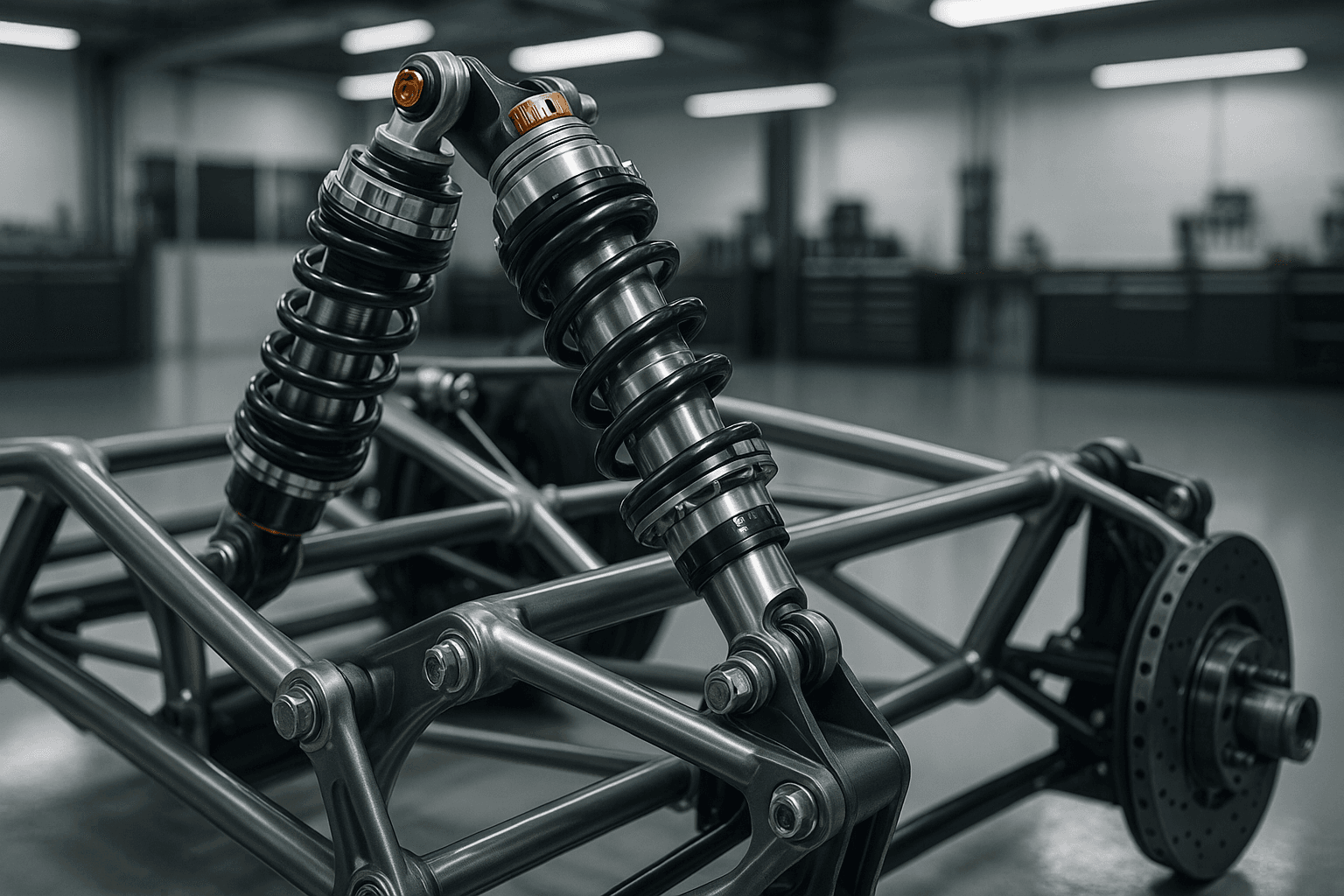
Suspension Setup Basics: Finding the Perfect Balance
Learn the fundamentals of suspension tuning and how to achieve the perfect balance between comfort and performance for your racing setup.
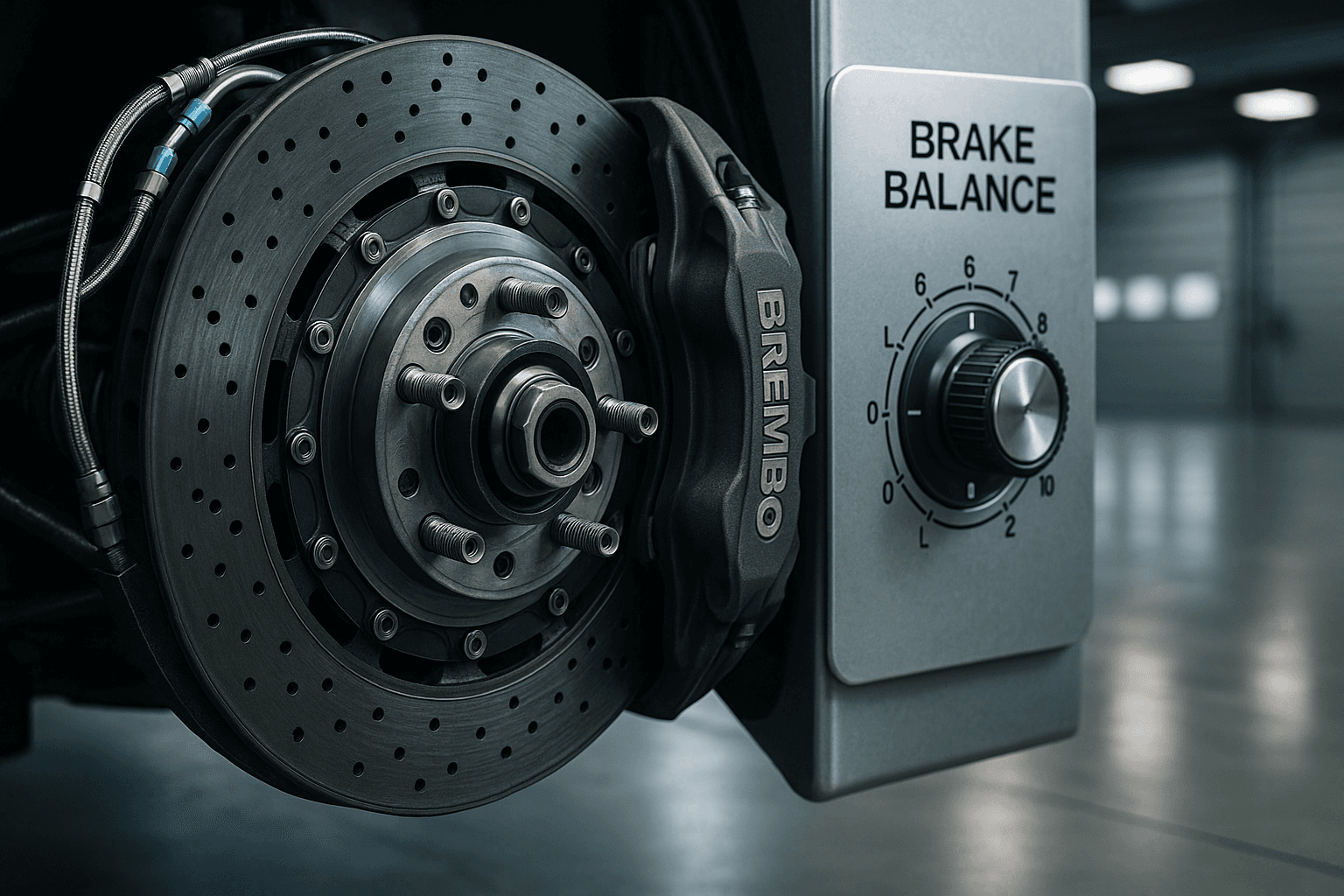
Brake Balance Tuning: Stopping Power and Stability
Learn how to fine-tune your brake balance for maximum stopping power while maintaining vehicle stability under heavy braking.
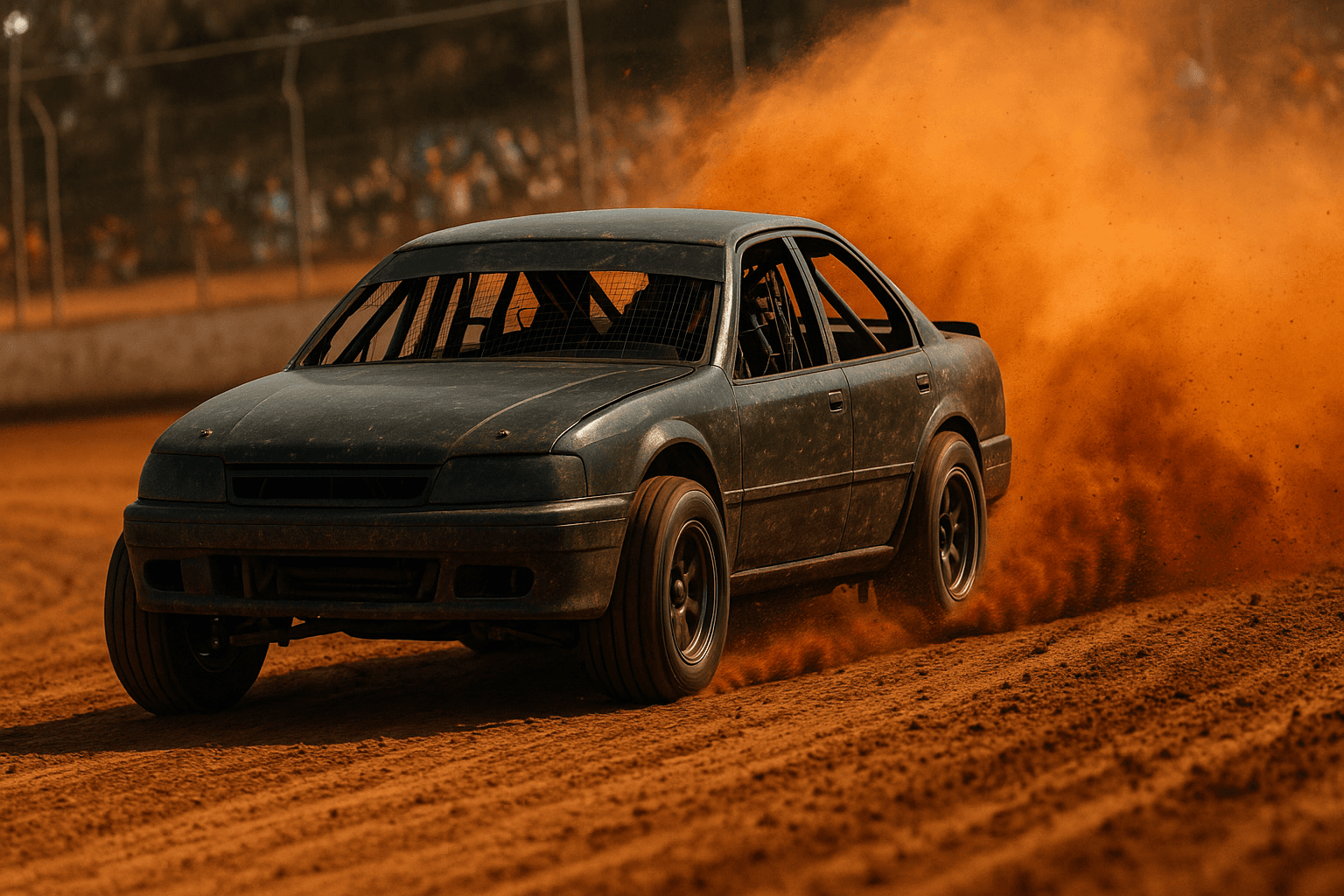
Mastering Speedway Sedans Setup for Australian Ovals
Unlock the secrets to dominating speedway sedan racing on Australian ovals. From tire pressures to track reading, this guide provides actionable setup tips for maximum performance.